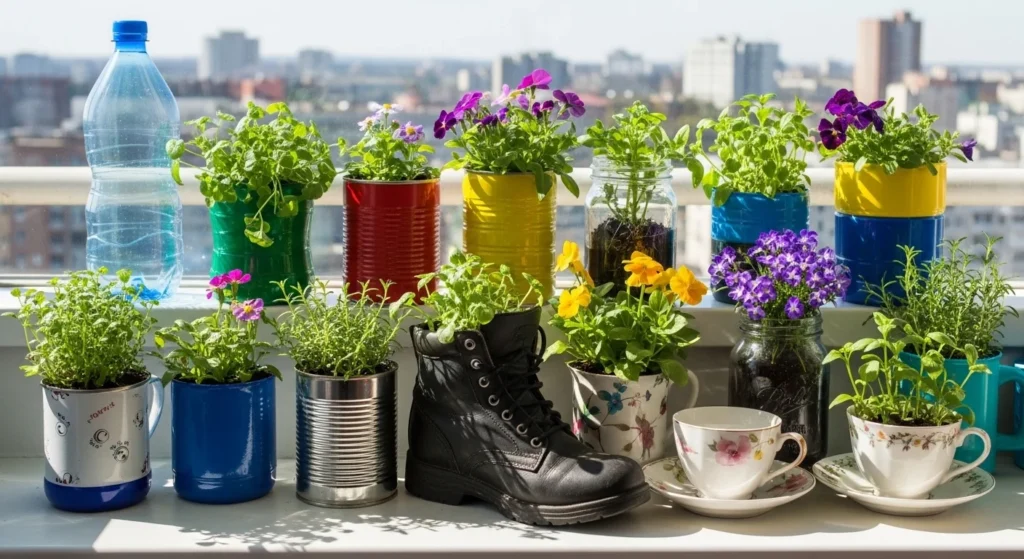
Creating DIY planters from recycled household items is one of the easiest ways to turn everyday waste into beautiful, eco-friendly garden decor. Whether you have a small balcony or a spacious yard, these upcycled planter ideas help you save money, reduce waste, and grow plants creatively.
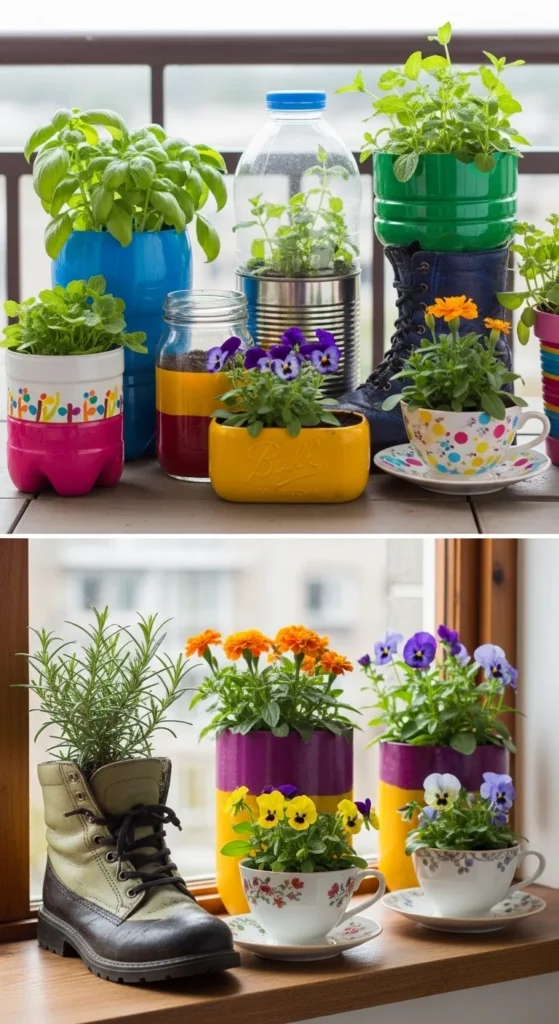
Why DIY Planters Are Trending
Upcycled gardening is booming because it combines sustainability with creativity. Using items like plastic bottles, tin cans, and old containers, you can build a thriving garden without spending much.
Benefits:
- Reduces household waste
- Saves money on pots
- Perfect for small spaces and vertical gardens
- Encourages creativity with “trash-to-treasure” ideas
Essential Prep: Drainage & Safety Checklist
Before starting any planter, proper preparation is key.
Checklist:
- Drill or poke drainage holes to prevent root rot
- Clean containers thoroughly to remove chemicals
- Add a base layer of gravel or stones
- Use quality potting soil, not garden dirt
- Match plant size to container depth
Pro Tip: Overwatering is common in small pots—always check soil moisture first.
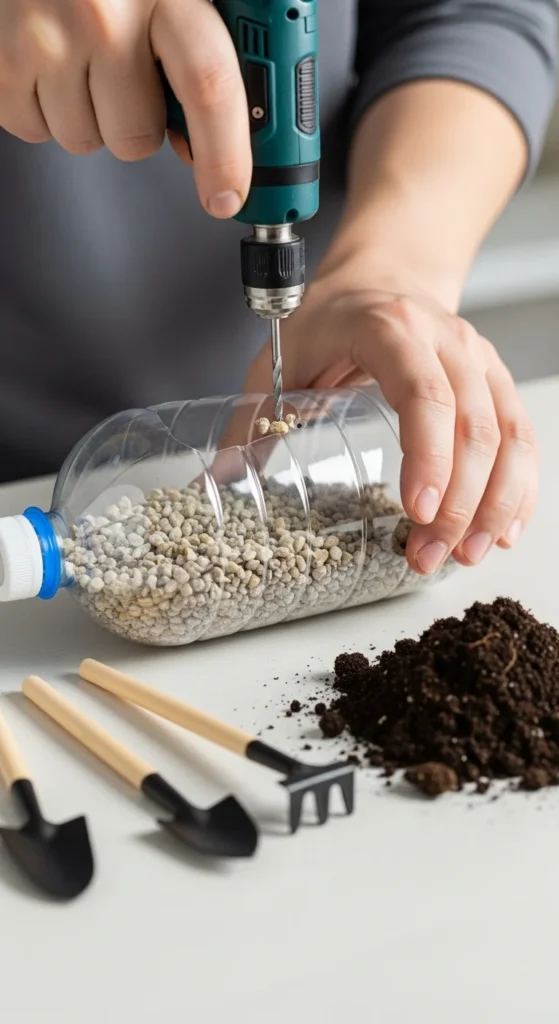
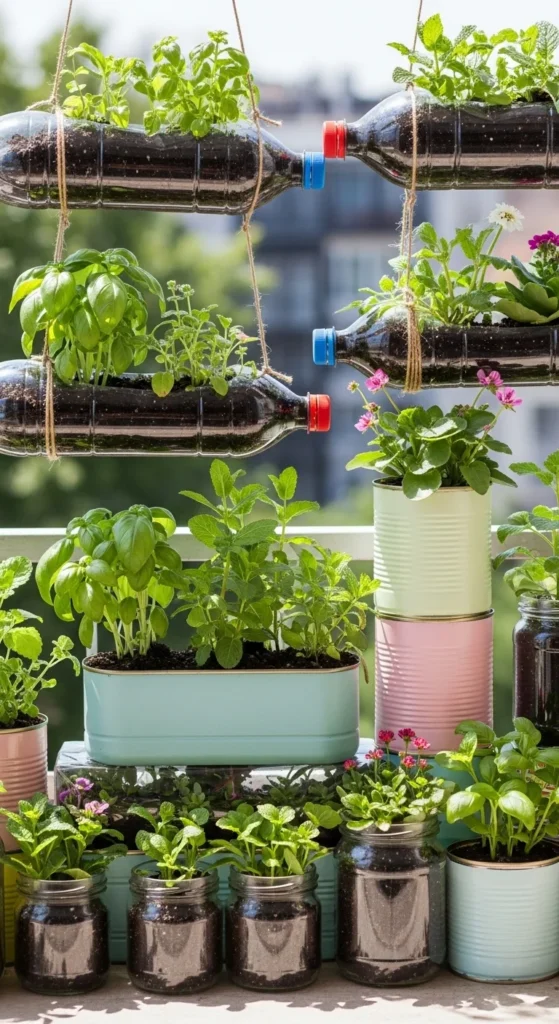
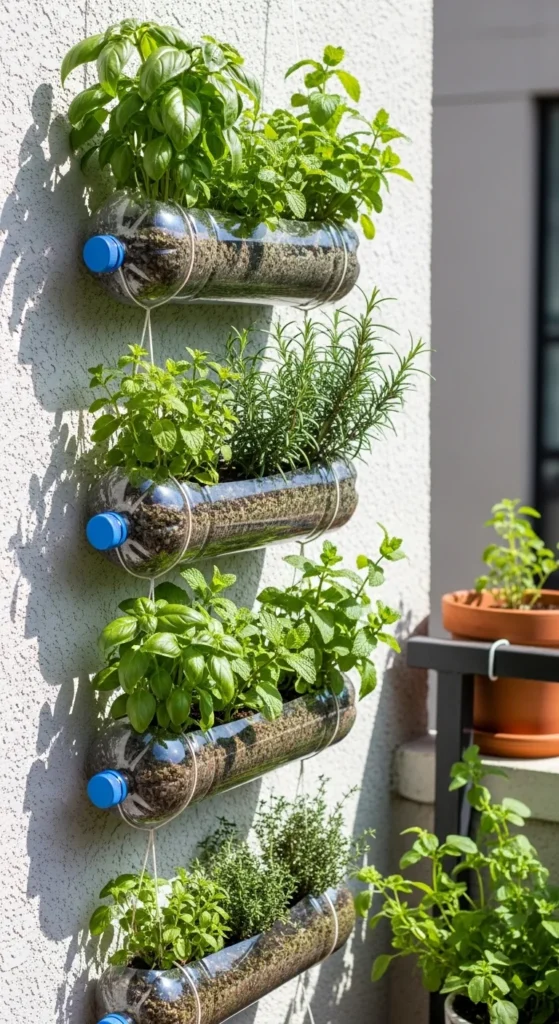
1. Plastic Bottle Hanging Herb Garden (10-Minute DIY)
Plastic bottles are the most popular choice for vertical gardens.
Steps:
- Cut a rectangular opening on the side of a bottle
- Make small drainage holes at the bottom
- Fill with potting soil
- Plant herbs like mint or coriander
- Hang using rope or wire
Best For: Small balconies and kitchen gardens
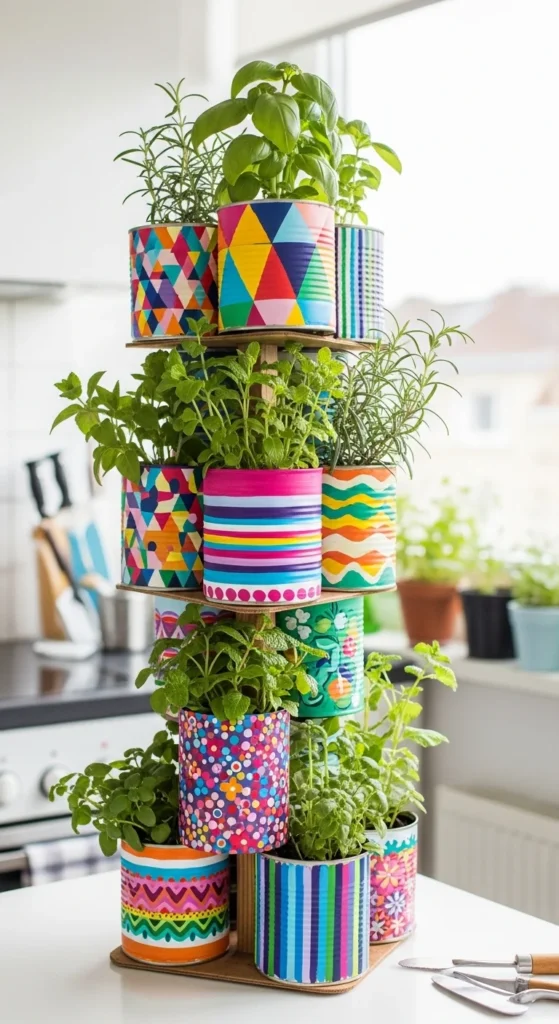
2. Colorful Herb Tin Tower
Tin cans are perfect for stackable herb gardens.
Steps:
- Clean empty cans and remove labels
- Paint them in bright colors or patterns
- Add drainage holes
- Stack or arrange vertically
- Plant herbs like basil or parsley
Style Tip: Use matching colors for a modern look or mix for a playful vibe.
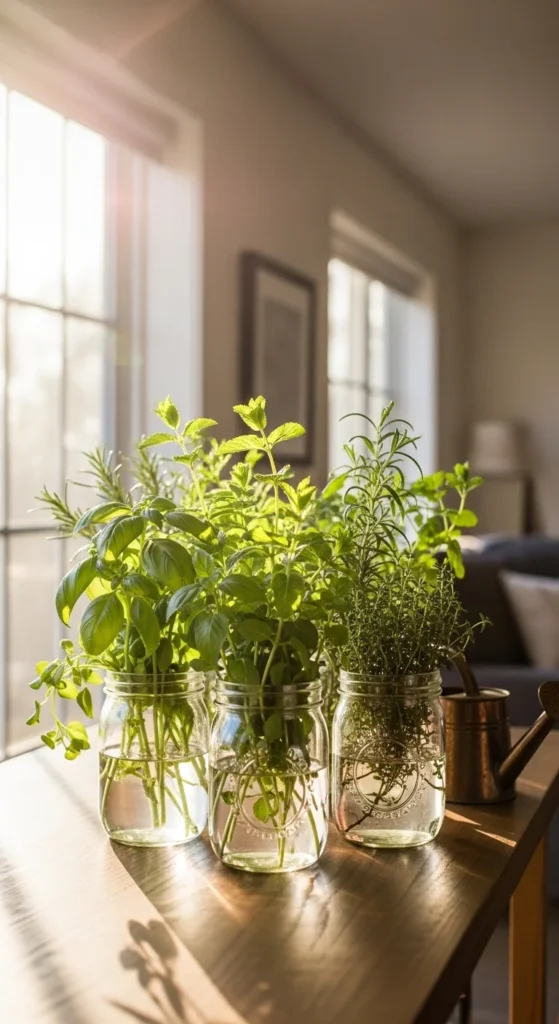
3. Mason Jar Windowsill Herb Haven
Perfect for indoor gardening lovers.
Steps:
- Add small stones at the base
- Fill with potting soil
- Plant herbs or small greens
- Place on a sunny windowsill
Best Plants: Basil, mint, or lucky bamboo
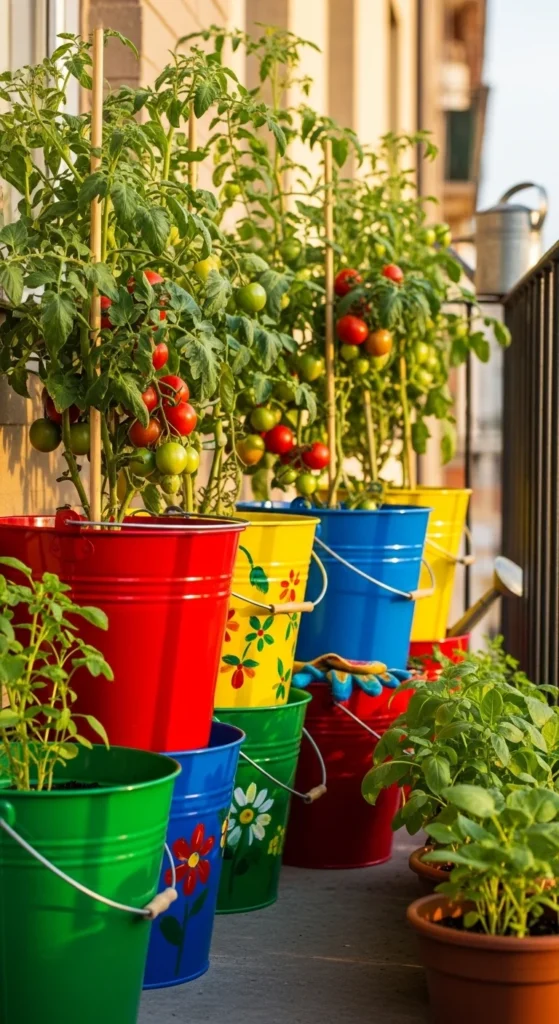
4. Painted Bucket Vegetable Garden
Buckets work great for larger plants like tomatoes.
Steps:
- Drill drainage holes in the bottom
- Paint buckets for decoration
- Fill with soil and compost
- Plant vegetables
- Place in a sunny outdoor spot
Tip: Use sturdy buckets for better durability.
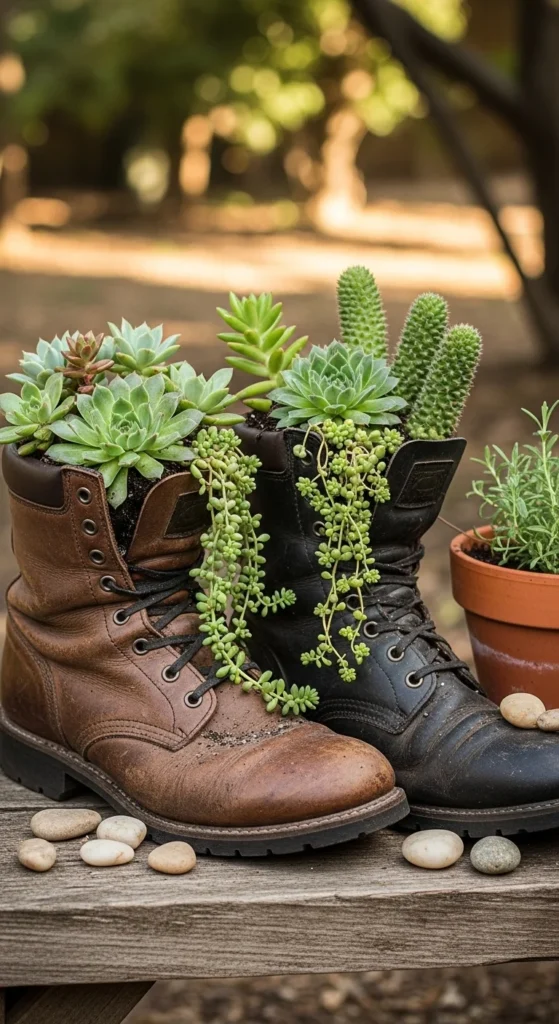
5. Boot Planter Parade (Quirky Succulents)
Turn old shoes into fun planters.
Steps:
- Clean old boots or shoes
- Add drainage holes if possible
- Fill with soil and քարvel
- Plant succulents
Best For: Decorative, low-water plants
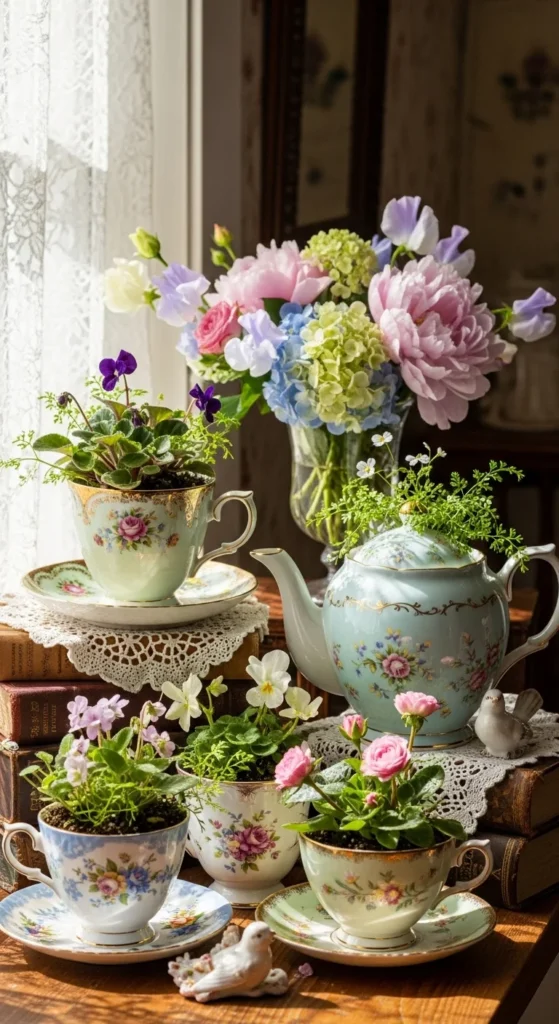
6. Vintage Tea Garden with Teacups
Add charm using old teapots and cups.
Steps:
- Add small stones for drainage
- Fill with soil
- Plant trailing plants or succulents
- Arrange on tables or shelves
Perfect For: Indoor decor or gifts
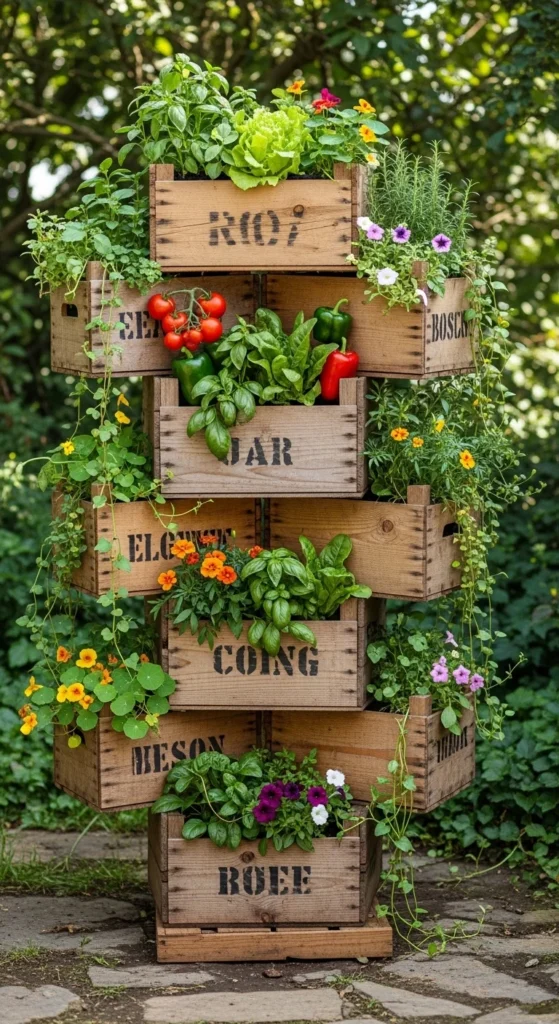
7. Wooden Crate Cascade Garden
Great for stacking and growing vegetables.
Steps:
- Line crates with fabric or plastic
- Add soil
- Stack in tiers
- Plant vegetables or flowers
Best For: Space-saving vertical gardening
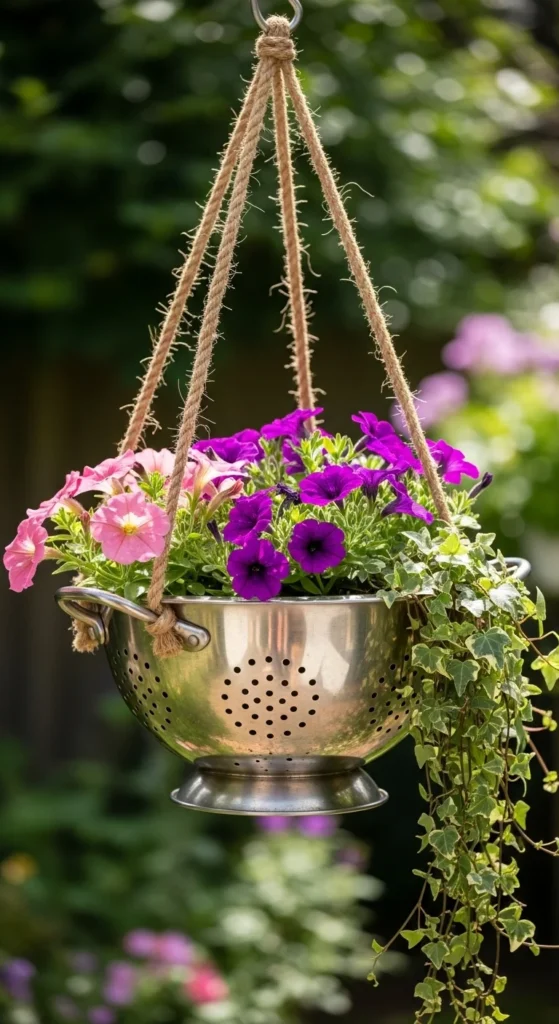
8. Colander Hanging Basket
Colanders make excellent hanging planters due to built-in holes.
Steps:
- Line with coconut fiber or cloth
- Add soil
- Plant flowers or trailing plants
- Hang with chains or rope
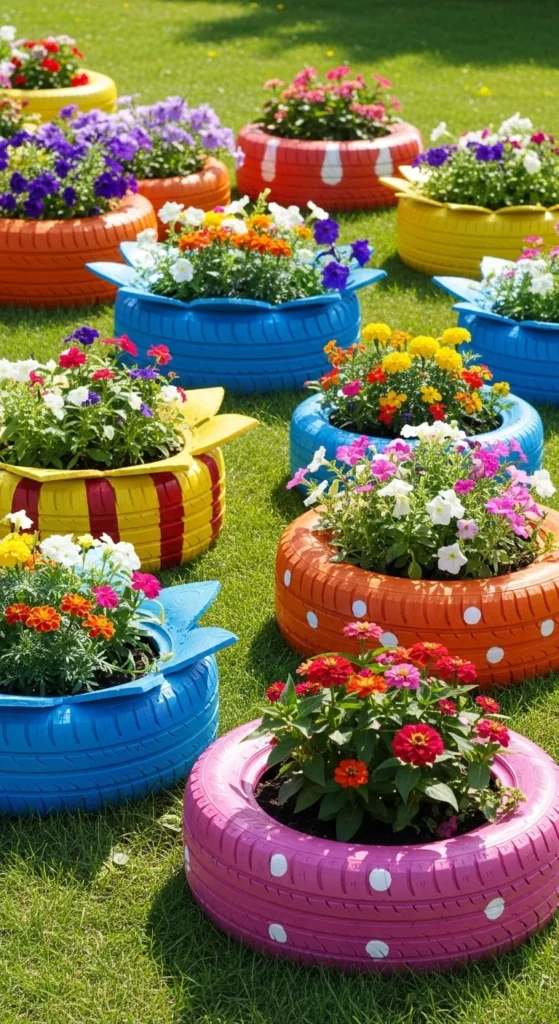
9. Tire Flower Planters (Outdoor Only)
A bold and colorful outdoor option.
Steps:
- Clean old tires
- Paint in bright colors
- Fill with soil
- Plant flowers (not edibles)
Warning: Avoid using tires for edible plants.
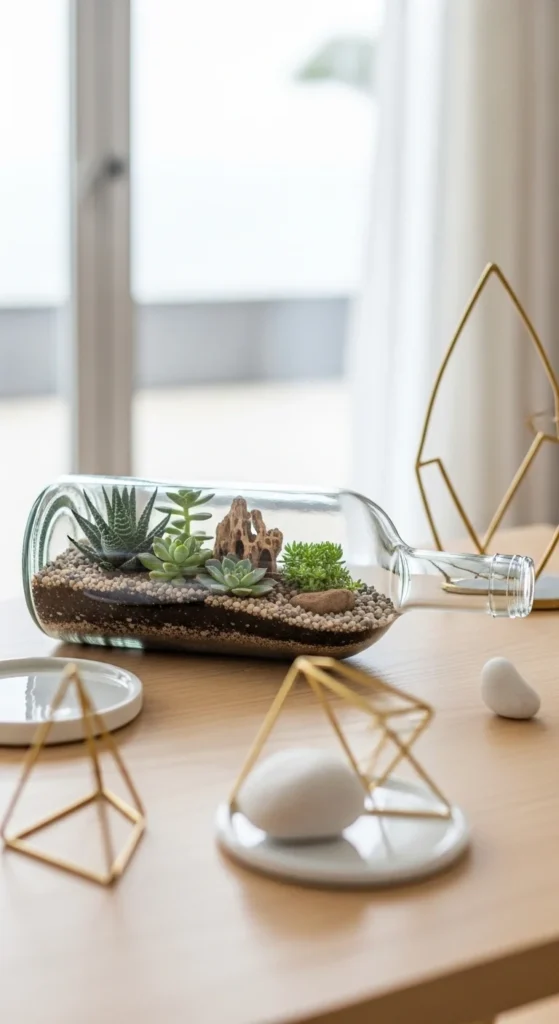
10. Wine Bottle Terrarium (Advanced DIY)
A stylish and modern planter idea.
Steps:
- Cut bottle carefully using a glass cutter
- Add stones and soil
- Plant small succulents
- Place on table or hang
Best For: Decorative indoor gardening
Final Thoughts
Creating DIY planters from household items isn’t just a craft it’s a way to bring sustainability, creativity, and joy into your home and garden. With simple materials like plastic bottles, tin cans, mason jars, and old shoes, you can make eco-friendly, stylish planters that save money, reduce waste, and brighten your space.The key is to focus on function and fun: ensure proper drainage, choose the right plants for each container, and experiment with colors or textures to make each planter unique. These projects are perfect for small spaces, beginner gardeners, or anyone who wants a personal touch in their green spaces.